
The UAE has taken a major step toward modernizing its corporate landscape. With recent legal amendments, mainland companies can now issue different classes of shares—a flexibility that free zones have offered for years.
This shift opens the door for custom ownership structures, making it easier for startups, investors, and family businesses to balance control, funding, and profit distribution.
📜 Mainland Regulations: What Changed?

Previously, under Federal Decree-Law No. 32 of 2021, mainland LLCs were restricted to a single class of shares. This meant:
- Equal voting rights
- Equal dividend distribution
- Equal liquidation rights
This structure limited flexibility, especially for businesses seeking investment.
🚀 The 2025 Amendment
With Federal Decree-Law No. 20 of 2025 (Article 76(4)), the UAE has introduced a game-changing reform:
- Companies can now issue multiple share classes
- Each class can have different rights and privileges
- Implementation is subject to Cabinet regulations
- Companies must update their Memorandum of Association (MOA) and obtain approval from relevant authorities
Earlier, such flexibility was only available to family businesses under a separate law (2022). Now, it’s accessible to all mainland LLCs.
⚖️ Types of Share Rights Now Allowed
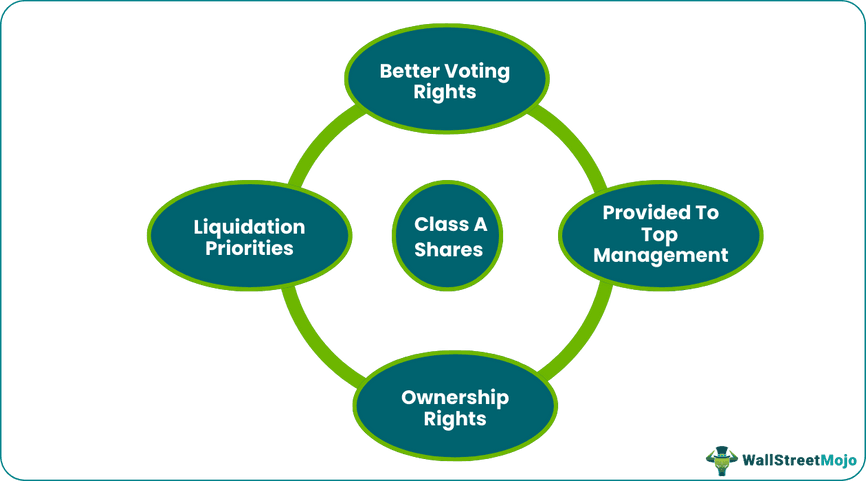

Under the new law, companies can design share classes with differences in:
🔹 Voting Rights
- Example:
- Class A → Full voting rights
- Class B → No voting rights
👉 Useful for founders who want to retain control while raising capital.
🔹 Dividend Rights
- Preferred shares can receive priority dividends
- Ideal for investors seeking stable returns
🔹 Liquidation Preference
- Certain shareholders get paid first during company exit or liquidation
🔹 Redemption Rights
- Shares can be bought back under predefined conditions
🔹 Other Custom Rights
- Transfer restrictions
- Value-based privileges
- Special governance terms
📌 All share class details must be registered and disclosed for transparency.
🌍 Free Zones: Already Ahead of the Game

Many UAE free zones have long allowed flexible share structures, making them attractive for foreign investors.
Key Highlights:
- Share classes defined in Articles of Association
- Often no minimum capital requirement
- Approval typically required from the registrar
🏢 Leading Free Zones
| Free Zone | Multiple Classes | Key Features |
|---|---|---|
| DMCC | ✅ Yes | Flexible rights, treasury shares, no minimum capital |
| RAKEZ / RAK ICC | ✅ Yes | Custom class rights with variation rules |
| Meydan | ⚠️ Limited | Typically single class (clarification required) |
| DWTC | ✅ Yes | A/B/C/D shares, founder & preference options |
| IFZA | ✅ Yes | Highly flexible, subject to approval |
| Ajman Free Zone | ❌ No | Single class only |
| ADGM | ✅ Yes | Unlimited classes under common law |
| DIFC | ✅ Yes | Advanced structuring for finance firms |
| JAFZA | ✅ Yes | Registrar approval, non-cash share issuance |
💼 Practical Implications for Businesses

🔥 For Startups
- Raise funds without losing control
- Issue non-voting shares to investors
👨👩👧👦 For Family Businesses
- Separate ownership from control
- Maintain legacy while distributing profits
💰 For Investors
- Access preferred returns
- Structured risk via liquidation priority
👩💼 For Employees
- Offer equity incentives without governance complications
⚠️ Compliance & Best Practices
To implement share classes correctly:
- Update your Memorandum of Association (MOA)
- Obtain approvals from relevant authorities
- Clearly define shareholder rights
- Consider pre-emption rights
- Ensure full legal compliance with upcoming Cabinet regulations